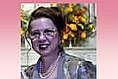
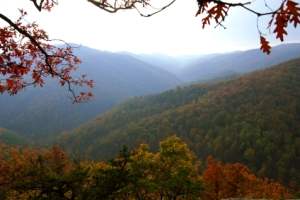
My fascination with the supernatural, whether real or imagined, played an important role in my new historical romance novel, Kira, Daughter of the Moon. Murmurings against the unusual, young Scots-Irishwoman, Kira McClure, grow into accusations of witchcraft. Never a good thing, but especially not in the colonial Virginia frontier. Acceptance in a close-knit community could mean the difference between life and death. The highly superstitious Scots settled in the rugged Alleghenies on the heels of The French and Indian War were already wary. The dangers these dark woods held heightened their fear of the supernatural. Sick livestock, children struck down with illness, and other misfortunes might be blamed on witchcraft. Settlers were alert to anyone in their midst they could point to as the culprit. The farther people ventured from more civilized society, the deeper their superstitions ran. And taking the law, such as it was, into their own hands was often how they dealt with miscreants in the frontier.
 Late Shenandoah Valley historian, John Heatwole, much respected and a family friend, put together a wonderful collection of accounts from valley and mountain people regarding their experiences with and feelings toward so-called witches. His book deals with beliefs lingering into the 20th century, but they’re still present among some rural Virginians today. Fear best sums up their sentiments. In his book, Shenandoah Voices, Mr. Heatwole says, “Witches have not been tried, jailed or executed in America since the early 18th century, but tales of their activities persist. During that period in our history, superstitious practices invoked for self-protection were considered prudent dabbling in the occult and virtually harmless. Powers or practices called upon for mean-spirited or evil purposes were attributed to malevolent people in the community who wielded demonic powers. Despite the perception of evil, people suspected of being witches, who were mostly women, were often tolerated in society because of their family ties or from fear of retribution—no one wanted to get on the wrong side of a witch.”
 True. However, ‘often tolerated,’ doesn’t mean those perceived as witches were popular. He shares accounts and I’ve read others, of outspoken or in some way unique females, perhaps even deformed, thought to be in league with the devil who were ostracized. Not being accepted and possibly even tormented by your neighbors was harsh, particularly for the poor and elderly. On the one hand, a woman might gain power over others, even men, in a historically male dominated society, through the fear she intentionally or unintentionally provoked, but the danger that people would shun her was always present–unless she was well-to-do. The rich were always better tolerated.
 Spells and hexes were countered by witch doctors, usually men, although ‘Granny women’ were also known for battling the dark arts with magical incantations. I have friends who grew up ‘back in the holler’ and remember bringing in the Granny woman when home remedies failed. One common protection prudent mothers undertook for children was to sew little ‘acifidity’ bags filled with pungent herbs, garlic and asafetida, to hang around their necks. “Oh my, did these kids stink,’ one friend told me. The stench was to drive away illness and evil. These stinky bags may be out of favor now, but the fear that lay behind them is still quite real among some folk.
You may ask if any of the women, and occasionally men, thought to be witches actually were? Yes. And some of them sound pretty darn scary.
***Royalty free images
 ***Kira, Daughter of the Moon is available in print and various ebook formats from The Wild Rose Press, from Amazon, Barnes & Nobles Nookbook, and will soon make its way to other online booksellers.


+(2).jpg)